
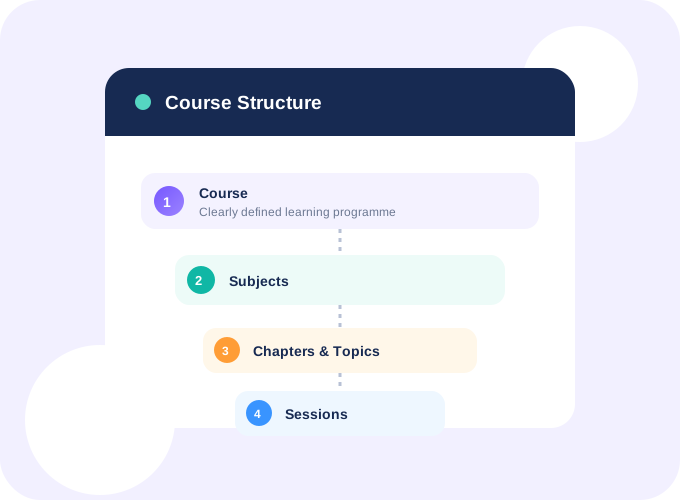
A well-structured course with a detailed lesson plan offers numerous benefits for both educators and students in the context of delivering quality education. Here are some key advantages:
Key Advantages
1. Clear Learning Objectives and Goals
Benefit: A lesson plan defines clear learning objectives for each session, ensuring both instructors and students know what is expected. This clarity helps focus the learning process and makes it easier to track progress.
Impact on Quality Education: Students are more likely to achieve the intended outcomes, and instructors can better assess their progress toward meeting these goals.
2. Systematic Progression of Topics
Benefit: A structured course helps organize content in a logical sequence, ensuring foundational concepts are taught before more complex ideas. This gradual buildup prevents gaps in knowledge.
Impact on Quality Education: This systematic approach ensures that students build a strong understanding and retain information more effectively.
3. Time Management
Benefit: A detailed lesson plan allows instructors to allocate appropriate time for each topic, ensuring that no important concepts are rushed or neglected. It also helps in covering all topics within the course duration.
Impact on Quality Education: Proper time allocation helps maximize the effectiveness of each lesson and keeps the learning experience balanced and consistent.
4. Enhanced Student Engagement
Benefit: A well-planned lesson includes interactive activities, assessments, and multimedia resources that cater to different learning styles. This makes the learning process more engaging and dynamic.
Impact on Quality Education: Active learning strategies foster deeper understanding and increase student participation, which leads to better retention of material and a more enjoyable learning experience.
5. Effective Assessment and Feedback
Benefit: Lesson plans can integrate formative assessments (e.g., quizzes, discussions) to gauge students’ understanding throughout the course. This allows for timely feedback and the ability to adjust teaching methods if needed.
Impact on Quality Education: Regular assessments help identify learning gaps early on, allowing for corrective action to ensure students stay on track to meet the learning objectives.
6. Consistency in Delivery
Benefit: With a lesson plan in place, multiple instructors (if applicable) can deliver the same course content in a consistent manner. It ensures that all students, regardless of the instructor, receive the same quality of instruction.
Impact on Quality Education: Consistency helps ensure that the curriculum is delivered uniformly, leading to equitable learning outcomes for all students.
7. Effective Use of Resources
Benefit: A well-structured course plan helps instructors anticipate the resources required (e.g., textbooks, online tools, guest speakers). This ensures that everything is prepared in advance and the lesson runs smoothly.
Impact on Quality Education: Maximizing the use of available resources leads to a more enriched learning experience and minimizes interruptions caused by a lack of materials or preparedness.
8. Adaptability and Flexibility
Benefit: While a lesson plan provides structure, it also offers flexibility. Instructors can modify lessons as needed based on student feedback, emerging needs, or unforeseen challenges.
Impact on Quality Education: This adaptability ensures that the course remains responsive to student needs, making the learning process more effective and personalized.
9. Fosters Independent Learning
Benefit: A well-designed course structure encourages self-directed learning by clearly outlining assignments, expectations, and deadlines. Students are empowered to manage their learning and resources effectively.
Impact on Quality Education: Independent learning cultivates critical thinking, problem-solving, and time-management skills, which are essential for lifelong learning.
10. Enhanced Teacher Confidence and Preparedness
Benefit: Teachers who have a well-prepared lesson plan feel more confident in their delivery. Knowing exactly what they need to cover helps avoid confusion and ensures smooth transitions between topics.
Impact on Quality Education: Confident and well-prepared teachers are more likely to engage students effectively and create a positive learning environment.
11. Cohesiveness Across Courses and Programs
Benefit: Course structures that use detailed lesson plans contribute to the overall alignment of curricula across different levels (e.g., semester-wise, subject-wise). This coherence ensures students experience a well-rounded educational journey.
Impact on Quality Education: A cohesive curriculum ensures that students acquire knowledge progressively and in a way that is interconnected, providing a deeper understanding of the subject.
12. Better Student Outcomes and Retention Rates
Benefit: With organized, clear, and well-paced lessons, students are better able to absorb and retain information, leading to improved performance on assessments and assignments.
Impact on Quality Education: High retention and better academic performance are key indicators of quality education and contribute to higher graduation rates and career readiness.
Conclusion
In summary, the use of a structured course with a detailed lesson plan not only supports effective teaching but also promotes a more engaged and productive learning environment. By fostering clarity, organization, engagement, and adaptability, educational institutes can deliver a higher standard of education, leading to better student outcomes and success in the long term.